Mixed-Age Learning at BISA
Sept. 10, 2021
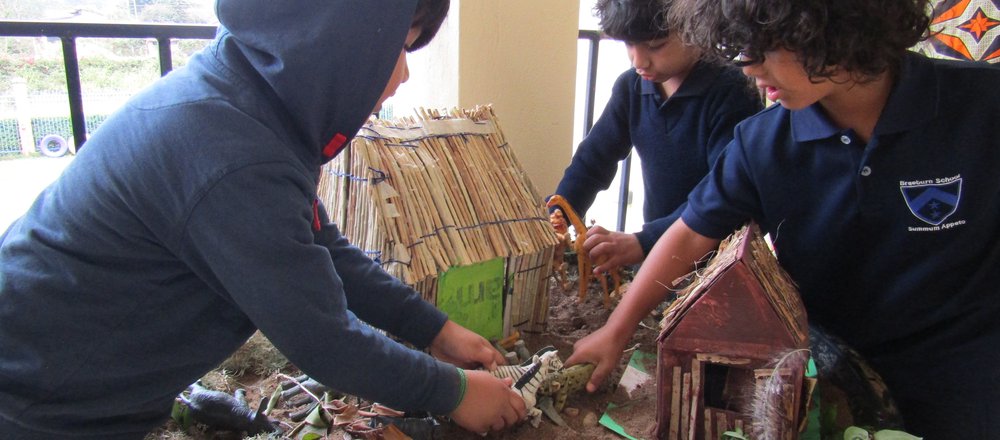
In our Early Years and Year 1/2 on both the Kisongo Campus and in our Infant School in Njiro, children learn in mixed-age groups. But, how does this work? Read on to find out some of the amazing benefits of mixed-age learning and how we are able to cater for the needs of individual children through this internationally recognised approach.
Research has found that mixed-age learning can be a highly beneficial approach:
In a group of children of mixed ages, they have different expectations of each other. The younger children may look to the older ones for some contributions, whereas the older children look upon the younger ones as needing their contributions. It is recognised that there is more turn-taking, social responsibility and sensitivity in mixed-age group children.’ (Chase and Doan, 1994)
Confident Individuals
- Shy and less confident preschoolers get the chance to mix with younger children to build their confidence. Over time, this helps them interact with children their own age and older. Children with developmental delays can also benefit from playing with younger children who share their interests or abilities.
- Children get the opportunity to be part of a diverse group and become tolerant and more accepting of others.
Responsible Citizens
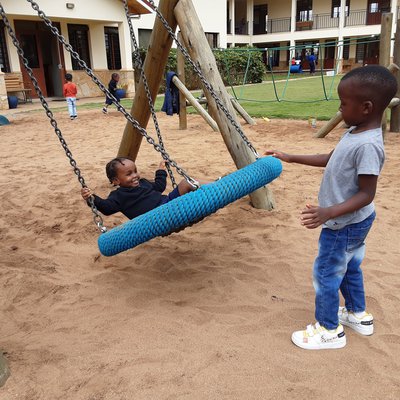
- Mixed-age groups in classrooms provide the opportunity for younger and older children to learn from each other, with older, more competent children often providing leadership and support to those who are younger and less capable.
- Siblings get opportunities to play with, and near, each other for long stretches of time if they want to (which can help younger siblings settle into school). Additionally, children with no young siblings get the chance to be a ‘big sister’ or ‘big brother’ and form relationships with children of different ages.
- Children build on their social skills of turn-taking, sharing, and understanding the needs of others.
Learners Enjoying Success
- Play and learning become more complex because older children extend younger ones’ ideas, and younger children follow the ideas suggested to them and get involved in what is going on.
- Young children are exposed to more advanced language levels and complexity, which develops their communication skills. In turn, older children learn how to change their language, behaviour, and expectations to meet the age of the children they’re playing with, and often become skilled at ‘reading’ and responding to younger children’s non-verbal clues.
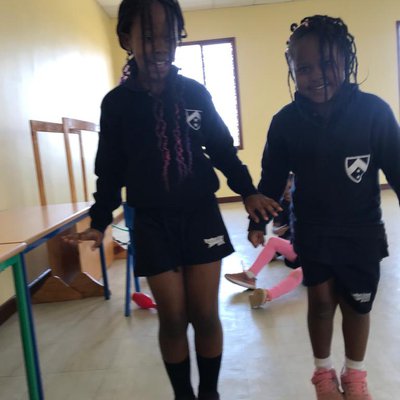
Our teachers are skilled at understanding children's development and meeting them where they are in their learning and development. Within mixed-age classes, children learn across cross-curricular themes with expectations adapted according to each child's individual needs. Learning is never 'watered down' to the youngest age-group in the class, nor is it pitched too high for the younger learners. Instead, through these cross-curricular themes, each individual child is given opportunity to learn at the pace that works best for them, learn from their peers, and become confident, responsible and successful in their own way.